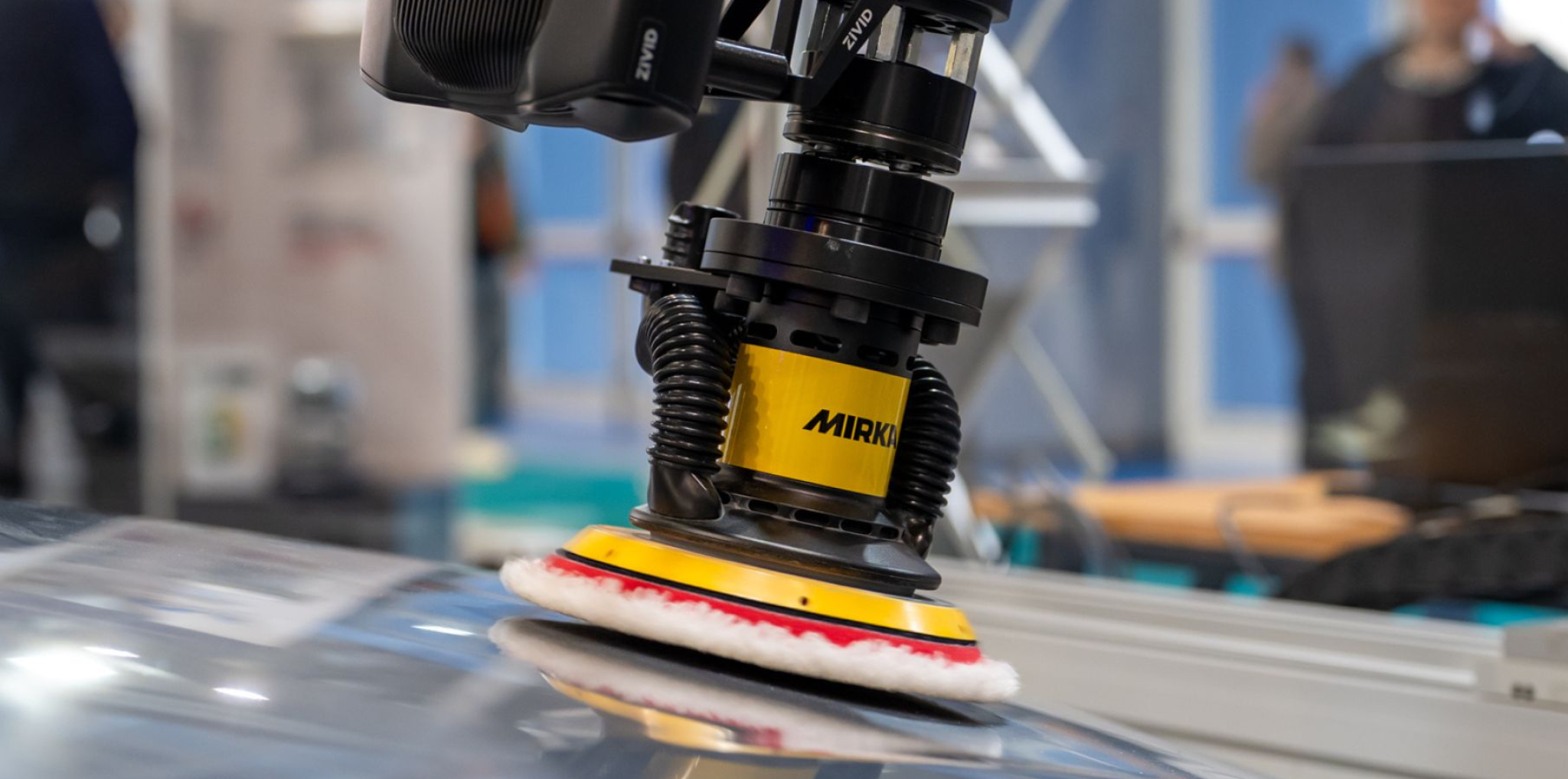
In the automotive sector, surface quality is not just an aesthetic element: it is a determining factor for product value, brand perception and component durability.
For this reason, more and more companies are adopting automated car polishing systems based on industrial robots and advanced software.
Robotic polishing technologies are revolutionising the surface finishing process, making it more precise, repeatable and scalable than manual processing. Robots are capable of performing sanding, grinding and polishing operations with programmed paths and controlled pressure, ensuring uniform results on every piece produced.
This is the backdrop against which Supero's approach was developed, combining advanced robotics and intelligent software to automate the polishing of complex surfaces in the automotive sector.
Why automate polishing in the automotive industry
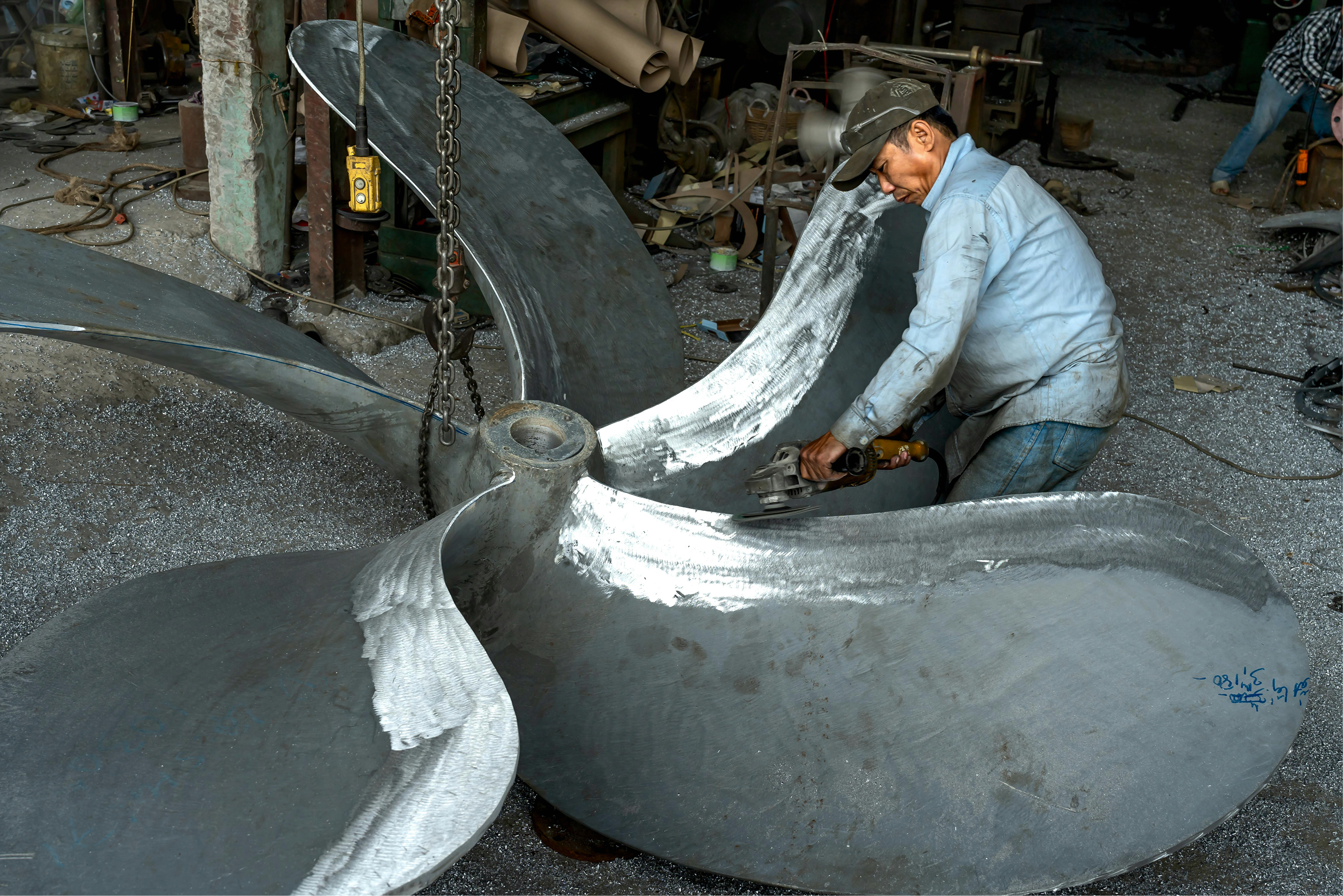
Surface polishing, whether on body panels, aluminium components, rims or composite parts – is one of the most complex processes to standardise.
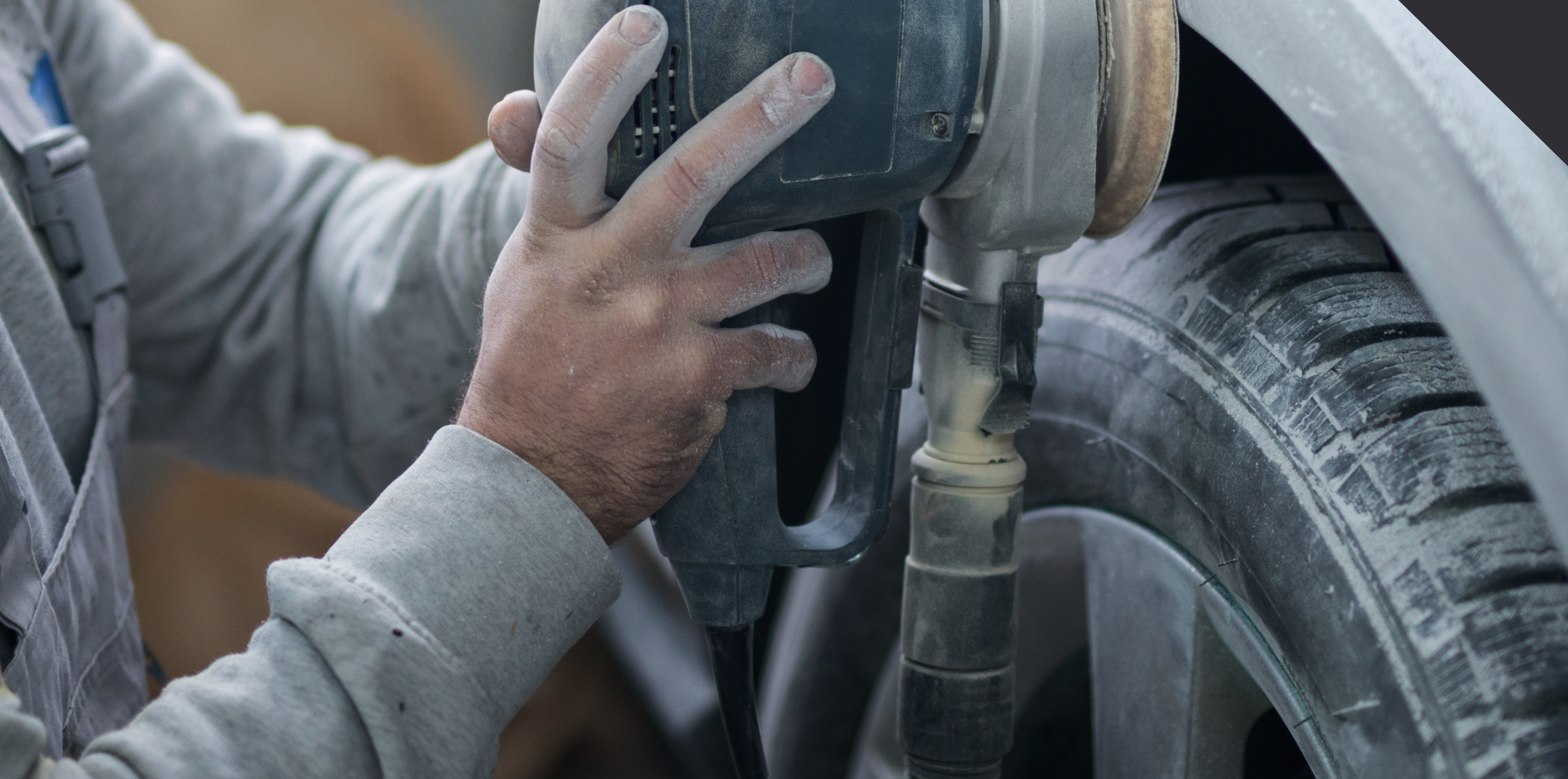
Traditionally, this work is performed by skilled operators, but it has several limitations:
- high dependence on manual skills
- difficulty in maintaining the same quality from one piece to another
- slow and costly processes
- working conditions involving dust, vibrations and physical effort
- With automation, these limitations are overcome.
Robotic systems are capable of:
- applying constant pressure during polishing
- following perfectly repeatable paths
- working on complex or freeform surfaces
- operating continuously without fatigue
The result is a more efficient process, with higher productivity and consistent quality.
How automated polishing works
An automotive robotic polishing system generally consists of:
6-axis industrial robot
manages the movement and orientation of the tool.
Polishing end-effector
abrasive or polishing tools specific to the material.
Force and vision sensors
monitor pressure and detect any defects.
Programming and control software
generates robot paths and optimises the process.
Thanks to these elements, the robot is able to maintain controlled contact with the surface, adjusting pressure and speed to achieve a uniform finish. In more advanced systems, artificial intelligence and computer vision also allow imperfections to be detected and the polishing process to be automatically corrected.
Supero: intelligent automation for automotive finishing
The solutions developed by Supero take automated polishing to the next level, thanks to a combination of advanced software and industrial robotics.
Supero Finish
Supero Finish is the solution designed to automate the following processes:
polishing
sanding
surface finishing
freeform surface treatment
The system allows for easy programming of processes even on complex geometries typical of the automotive sector, such as:
body panels
carbon fibre components
painted surfaces
metal and composite parts
Thanks to advanced force control and intelligent path generation, Supero Finish guarantees consistent finish quality throughout production.
Supero OS
At the heart of the ecosystem is Supero OS, the operating system that simplifies robot programming and control.
Supero OS allows you to:
automatically generate polishing paths from CAD models
adapt processing to complex surfaces
monitor the process in real time
easily integrate robots from different manufacturers
This software-first approach allows you to transform a robotic cell into an intelligent and scalable surface finishing system.