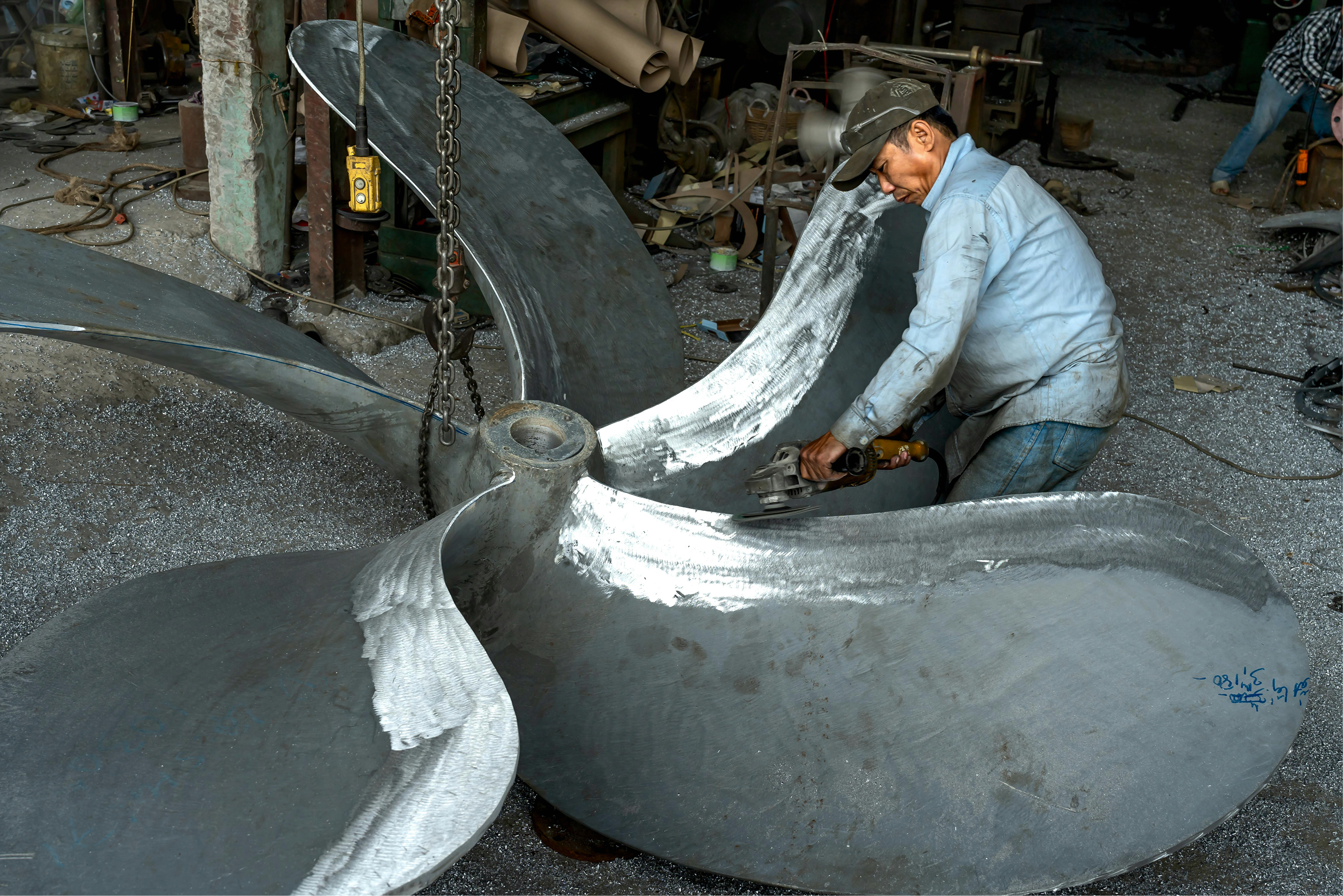
Before a hull reaches the paint booth, hundreds of small decisions have already been made on its surface. How much pressure was applied. How many passes were made. Which areas received more attention than others. Most of these decisions happen during sanding—and they directly influence quality, timing, and production costs.The challenge is that manual sanding is inherently difficult to standardise. That's why many of the inefficiencies that affect a boatyard's profitability begin long before the first coat of paint is applied.
Let's look at five of the most common ones.
1) Unpredictable time on never-identical surfaces.
On paper, two boats of the same model should require the same amount of work.In reality, they rarely do. Curved surfaces, hull-to-deck joints, transoms, repairs from previous work—small variations add up quickly. What was planned as a four-hour job can easily become six.
The result?
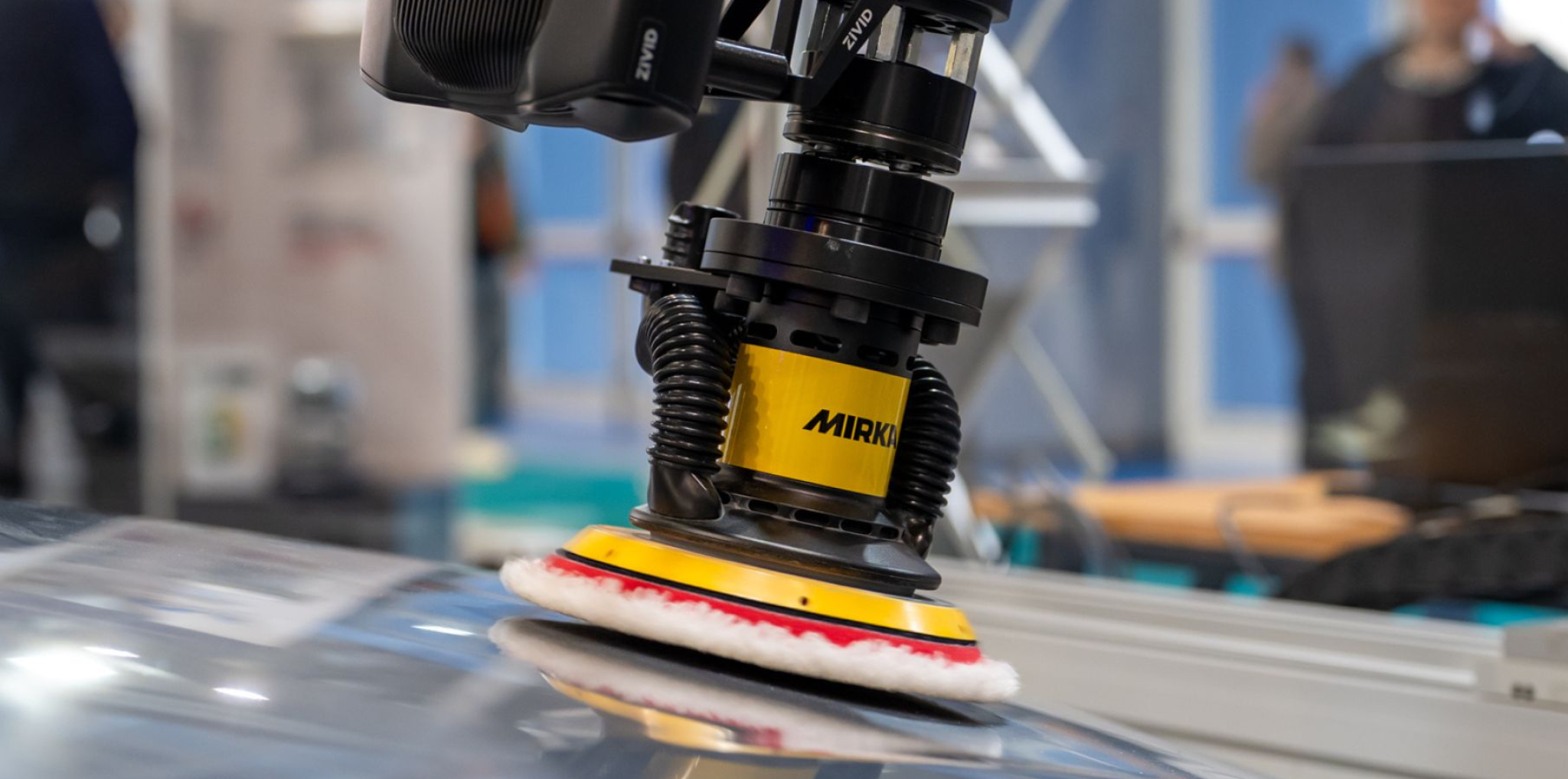
Delays, rescheduled paint operations, overtime, and constant pressure on production planning. With Supero Finish, every process starts from a 3D scan of the actual boat. The system generates a repeatable toolpath based on the real geometry, making processing times far more predictable.
When sanding becomes predictable, scheduling becomes predictable too.
2) Rework that becomes “the norm” under paint.
Most paint defects don't originate in the paint booth. They originate during surface preparation. A slight variation in pressure, an area that wasn't sanded uniformly, or an inconsistent finish may remain invisible until the final coating is applied.
Then the rework begins.
Robotic sanding maintains constant pressure, speed, and process parameters across the entire surface, reducing the variability that often causes defects to appear later.
The best way to avoid rework is to prevent it before the first coat goes on.
3) Consumables and dust that creep up.
Abrasive discs, sanding pads, polishing compounds, replacement tools.
Individually, none of them seem expensive. The problem is that manual sanding often relies on a simple approach:
"One more pass, just to be safe."
Over time, those extra passes consume more abrasives, more labour hours, and generate more waste. In marine applications, the issue is amplified because GRP dust and antifouling residues often require controlled disposal procedures. A controlled robotic process reduces unnecessary passes and helps stabilize the real cost per square meter.
4) Fatigue, dust, and downtime risk.
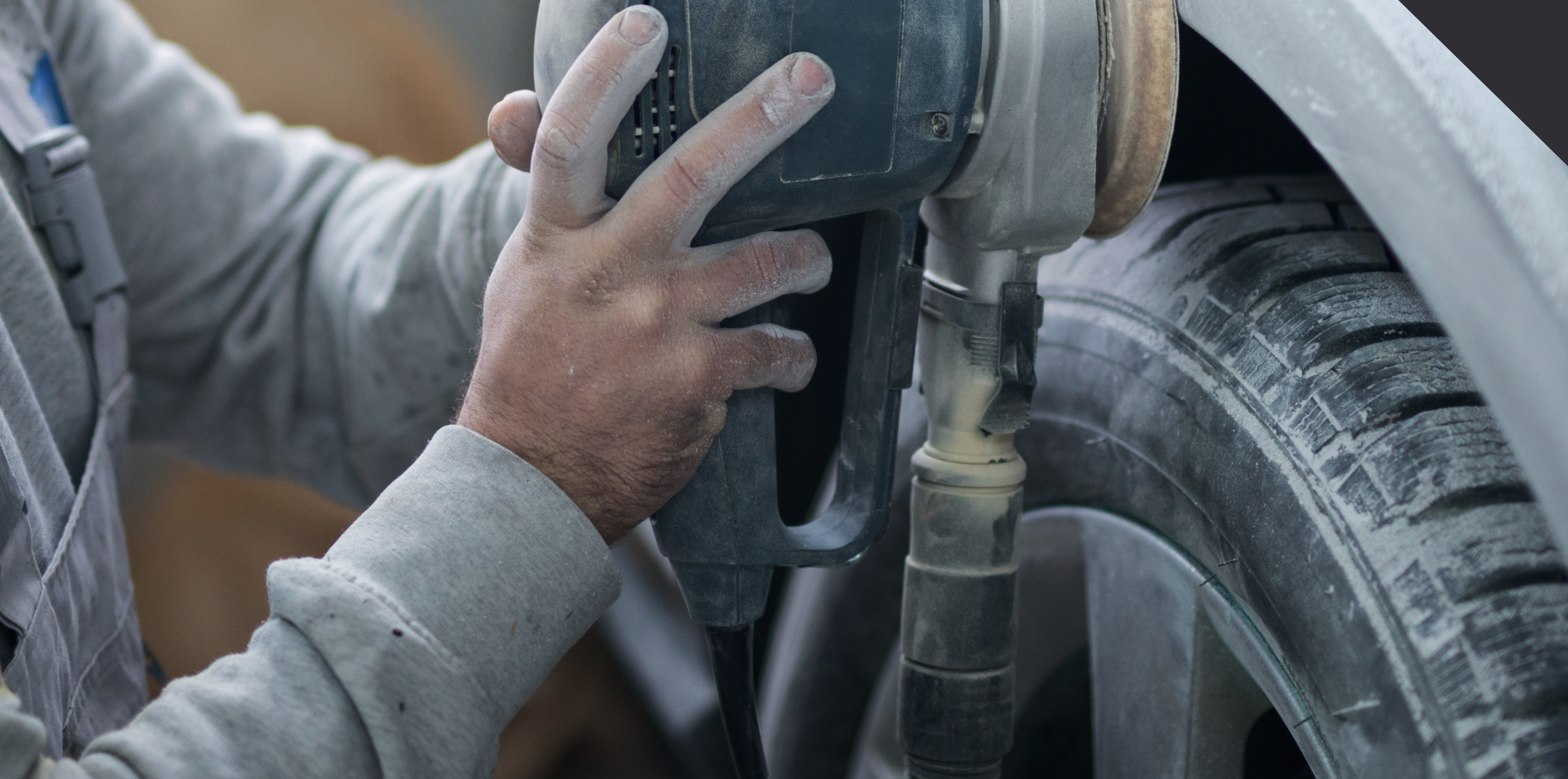
Sanding is physically demanding work. Operators spend hours working under hulls, reaching overhead on topsides, handling vibration, and being exposed to dust. Even when accidents don't occur, fatigue has a cost. Work slows down. Concentration drops. Quality becomes less consistent. Absenteeism and turnover increase. Automation doesn't remove operators from the process-it removes the most physically demanding part of the process.
The operator can focus on setup, supervision, and quality control instead of repetitive manual work.
5) Growth becomes difficult when quality depends on a few experts
Many shipyards rely on a small group of highly experienced craftsmen to achieve their best finishes.
Their expertise is invaluable.
The challenge is that experience is difficult to scale.
Finding new skilled workers is becoming increasingly difficult, and transferring years of know-how to new operators takes time.
Supero OS transforms that expertise into a repeatable digital workflow:
- 3D scan
- Digital twin creation
- Area selection
- Automated toolpath generation
- Controlled process parameters
The result is a process that can be replicated consistently, regardless of who is operating the system.Manual sanding isn't as inexpensive as it appears. When you account for scheduling uncertainty, rework, consumables, waste management, operator fatigue, and skill dependency, the real cost becomes much higher than expected.
Supero Finish, powered by Supero OS, turns sanding from a variable and labour-intensive task into a controlled, repeatable, and scalable process. From GRP preparation to gelcoat finishing, from topsides to underwater hulls, the goal is simple:
More consistency. Less rework. Better productivity.
Download the guide "How to Map & Scan with Supero Finish" or contact our team to evaluate how robotic surface finishing could fit into your production workflow.