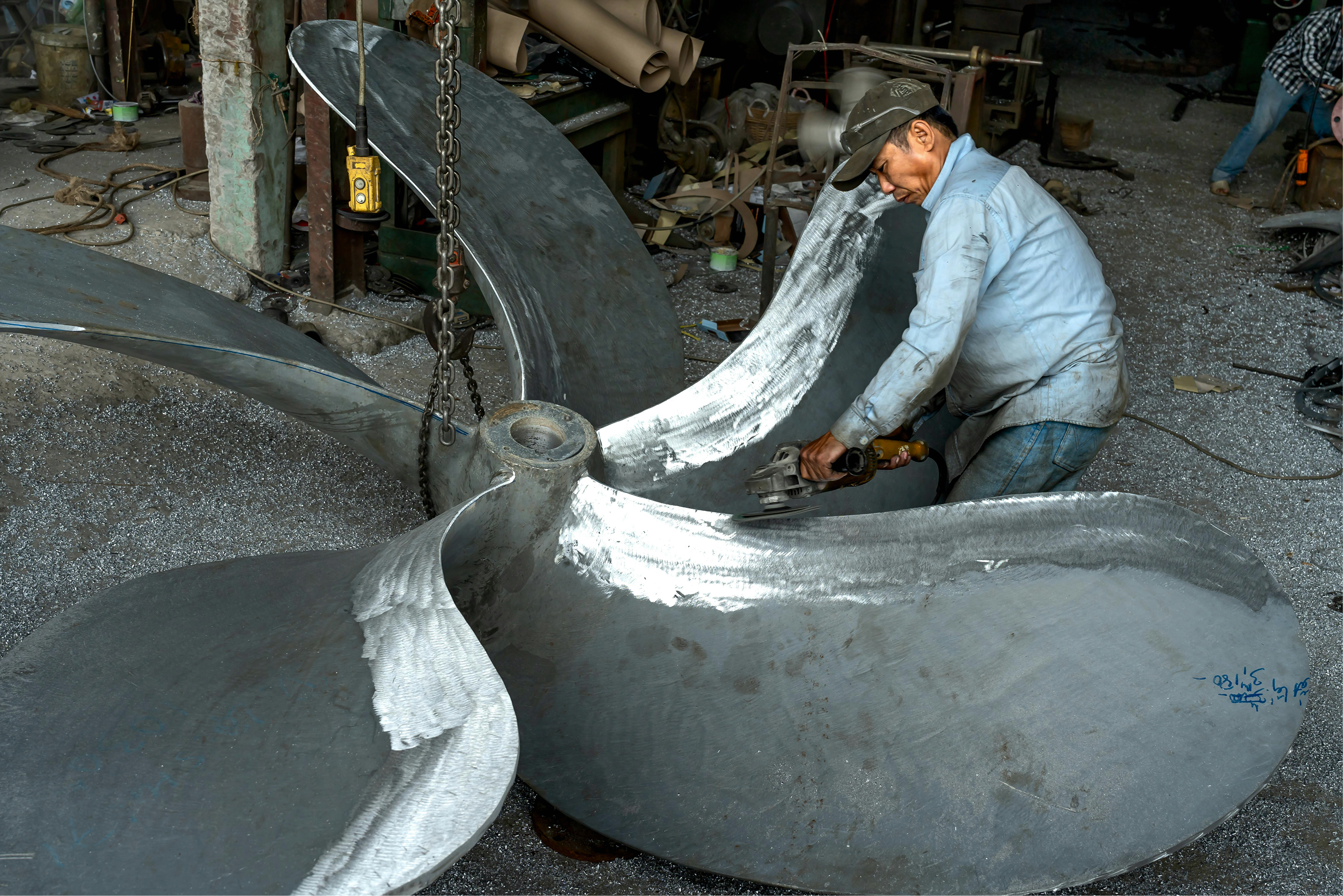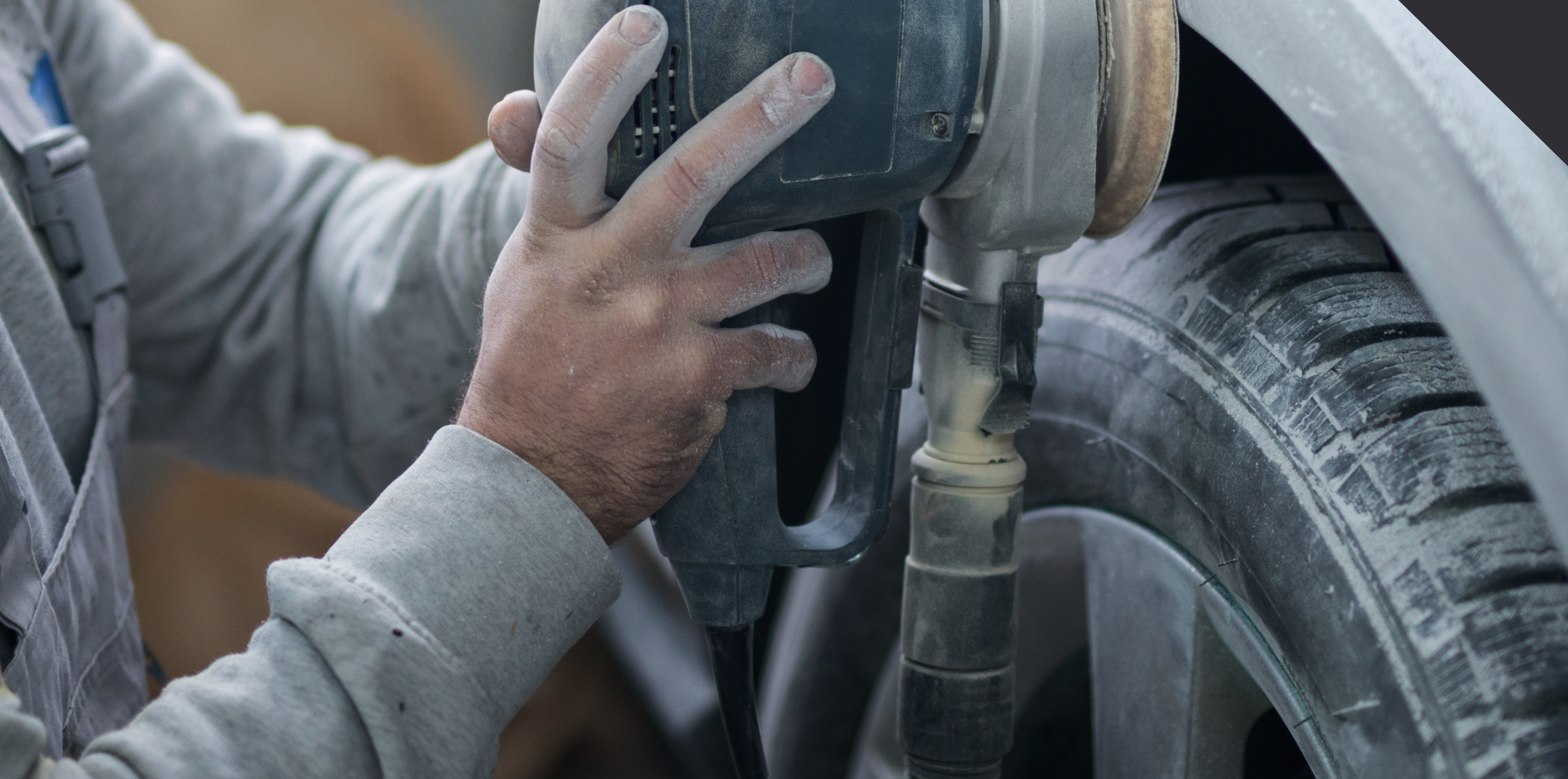
Within an industrial production process, manual sanding often becomes the most common choice due to habit and familiarity. At first glance, it may seem that manual sanding is more economical than automated processes because the tools are inexpensive and people are used to working in a certain way. In reality, however, manual sanding is often the point where the most margin is lost without anyone noticing. An experienced operator can do an excellent job, but the real problem is the variability of the process: when a process is difficult to standardise, it becomes difficult to predict, measure and scale.
Here are five hidden costs typical of manual sanding and how automation with Supero Finish integrated into Supero OS can streamline costs and production times.
1) Unpredictable time that disrupts sanding planning
Sanding rarely takes the same amount of time on two different panels. Effort, workpiece conditions, curvatures, edges and micro-corrections add minutes that are never really included in the planning. Then those minutes turn into chain delays, rescheduled painting slots, emergencies and overtime.
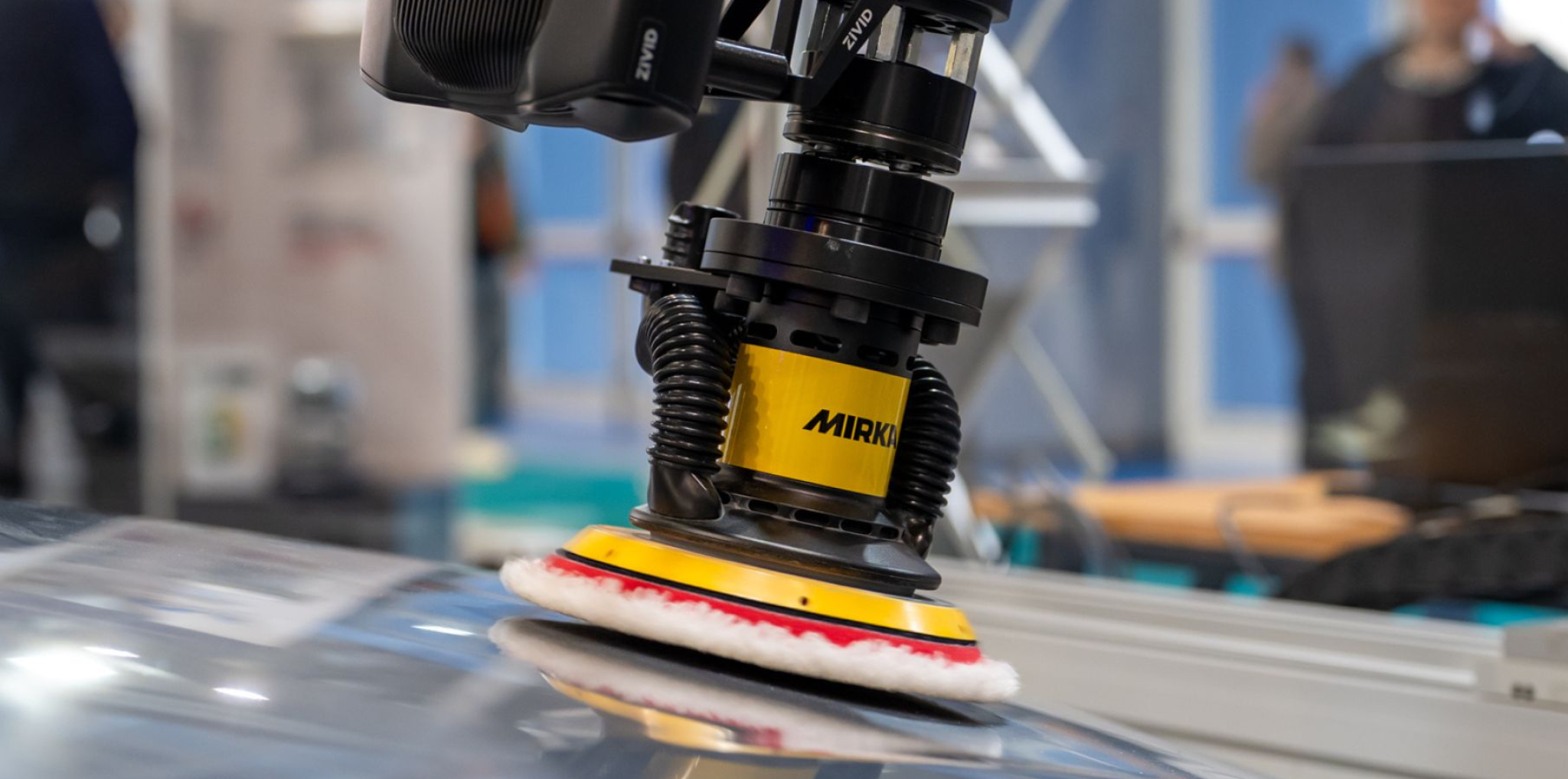
With Supero Finish, the flow becomes more predictable because it starts with a 3D scan of the surface, the definition of work areas on a digital model and the generation of repeatable paths. When times stabilise, production stabilises too.
2) Rework becomes “normal”
In industrial terms, it is called rework, but very often it becomes an extra step to remove marks, correct a shade, polish more because the finish is not uniform, or return to preparation because everything can be seen under the paint.
Automation serves precisely to reduce this variability. Robotic sanding, with force control and process parameters, helps to maintain constant pressure and tool behaviour even on complex geometries, where most defects arise.
3) Consumables that increase without any obvious cause
Discs, abrasives, pads and compounds rarely wear out in a single day. They wear out slowly. In manual work, they often wear out more quickly because uncertainty is compensated for: more passes ‘to be on the safe side’, more frequent changes, more pressure.
A parameter-driven process reduces unnecessary passes. When force, speed and tooling are controlled, consumption tends to stabilise and the cost per part becomes more predictable.
4) Physical fatigue and risk of downtime
Sanding is strenuous: repetitive movements, vibrations, uncomfortable postures, dust. Even without obvious injuries, fatigue reduces speed and attention. Over time, this means absences, continuous rotations and constant training to cover the workstation.
With automated industrial robotics, the effort shifts to the cell. The operator's role becomes setup, supervision and quality control. The operational effect is greater continuity and fewer stoppages due to fatigue.
5) Dependence on skills that hinders growth
The best results often depend on a few individuals. Their manual skills and ‘feel’ are difficult to transfer quickly, and recruiting is not always easy. When the process is in their hands, quality and productivity become fragile.
Supero OS helps transform know-how into a repeatable flow: scanning, area selection, toolpaths, controlled parameters. This makes the process more scalable and less dependent on individuals.
Manual sanding is not really ‘economical’. It is difficult to measure considering unstable times, rework, consumables, fatigue and skill dependency, and the economic impact grows rapidly. Supero Finish with Supero OS serves to transform a variable phase into a controlled, repeatable and, above all, reliable process.
Download the ‘How to map & Scan with Supero Finish’ guide and discover how Supero Finish, integrated into Supero OS, transforms a variable phase into a controlled, repeatable and measurable process.
Want to find out if it is applicable to your parts, materials and volumes? Request more information: we will help you evaluate times, benefits and integration into your production flow.